Budget Like a Pro: Zero-Based, Saving First, Debt Plan
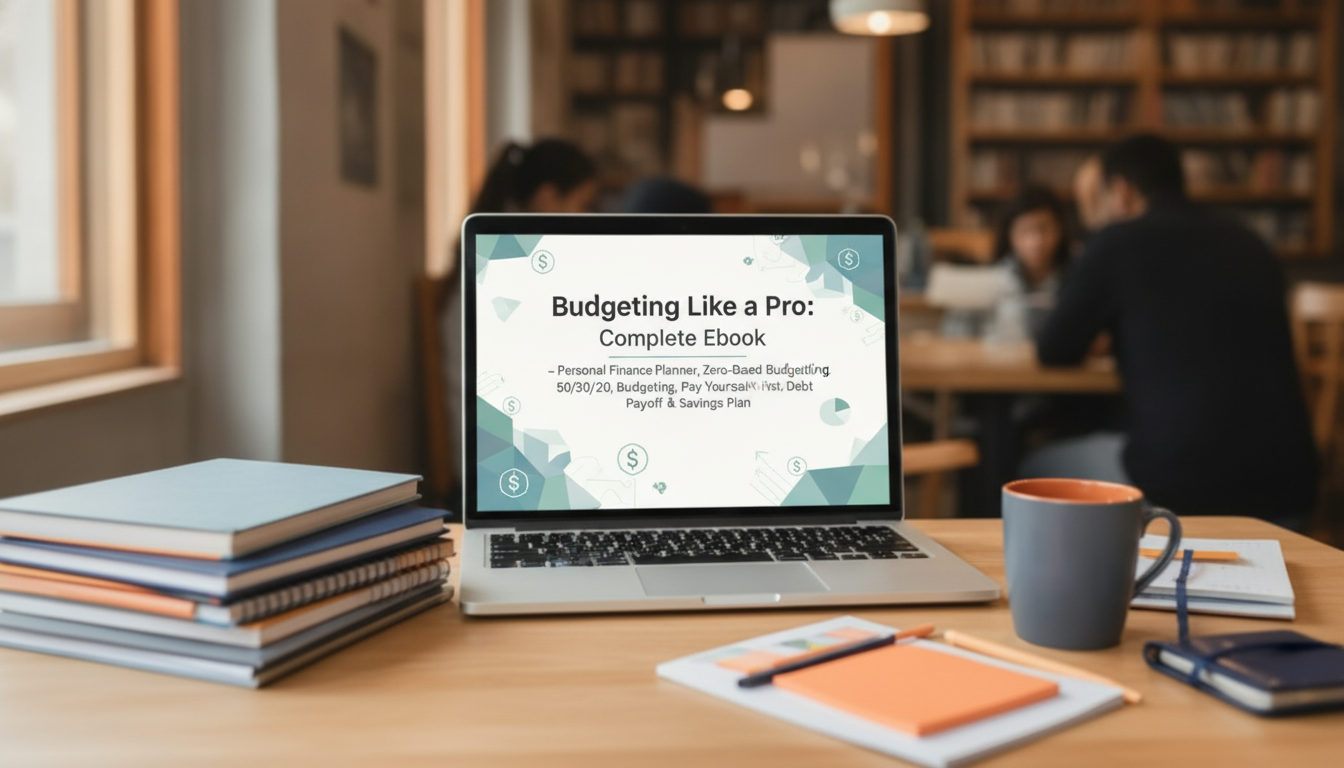
What “budgeting like a pro” looks like in daily life
“Pro” budgeting isn’t about perfection—it’s about having a simple system you can repeat, even when life gets busy. The common thread is clarity: you know what your money needs to do next, and you’ve built a routine that makes the right moves easier than the impulsive ones.
- Every dollar has a job: spending, saving, investing, or debt payoff.
- A plan is created before the month starts, then updated as reality changes.
- Bills are covered first, progress goals are automated, and flexible categories handle surprises.
- Decisions are based on priorities (needs, goals, trade-offs), not guilt or guesswork.
- A short weekly review prevents end-of-month panic and helps catch leaks early.
Step 1: Set the foundation (income, bills, and minimums)
Start with the numbers that keep your life running. If income varies, choose a conservative “floor” amount (an average of the last 3–6 months, or your lowest typical month). This prevents a plan that only works on your best payday.
- List all income sources and pick a conservative baseline if it fluctuates.
- Write down fixed obligations: rent/mortgage, utilities, insurance, minimum debt payments, subscriptions, childcare, and transportation.
- Add true expenses (irregular costs) by dividing annual totals into monthly amounts—car repairs, medical, gifts, annual fees.
- If cash flow is tight, prioritize: housing, food, utilities, transportation, insurance, then minimum debt payments.
- Decide what you’re optimizing first: stability (emergency fund), faster debt payoff, or balanced progress.
If you need a sanity check while estimating take-home pay, the IRS withholding tools can help you understand what actually hits your bank account: IRS Tax Withholding Estimator.
Step 2: Choose a budgeting method that fits your personality
The “best” method is the one you’ll actually use. If you love detail and want control, lean more structured. If you hate tracking, lean more automated.
Quick comparison of popular budgeting methods
| Method | How it works | Best for | Common pitfall | Simple fix |
|---|---|---|---|---|
| Zero-based budgeting | Assign every dollar to a category until there’s no unassigned money | Tight cash flow, detailed planners, variable expenses | Overly optimistic categories that break mid-month | Start with last month’s actuals; add a buffer category |
| 50/30/20 | Split income into needs/wants/savings-debt targets | Quick setup, steady income, big-picture control | Needs exceed 50% so the plan feels “failed” | Treat it as a starting ratio; adjust to reality |
| Pay-yourself-first | Automate savings/investing/debt goals first; live on the remainder | Goal-focused households, people who dislike tracking | No guardrails on the remainder leads to overspending | Add 3–6 spending caps (food, fun, fuel, misc., etc.) |
A hybrid approach often works best: automate pay-yourself-first goals, then apply zero-based planning to what remains. If the budget keeps “failing,” the method might be fine—your category targets, bill timing, or irregular expenses may be the real issue.
Step 3: Build a zero-based budget in 10 minutes (monthly flow)
Zero-based budgeting sounds intense, but the core move is simple: before the month starts, you decide where every dollar will go.
- Start with expected income for the month (or a conservative baseline if variable).
- Fund fixed bills and minimum debt payments first.
- Fund true expenses next (sinking funds for irregular costs).
- Set amounts for flexible essentials: groceries, fuel/transport, household, medical, kid/pet needs.
- Allocate progress goals: extra debt payoff, emergency fund, sinking funds, investing (if applicable).
- Give yourself a realistic discretionary category (fun money) to make the plan sustainable.
- If money remains, assign it intentionally (extra debt, savings, or future expenses). If you’re short, cut wants first, then reduce targets, then renegotiate bills.
For practical templates that keep this fast (and repeatable), a structured digital planner can help: Budgeting Like a Pro: Complete eBook – Personal Finance Planner.
Step 4: Pay-yourself-first—what to automate and when
Automation is how budgets survive busy weeks. The goal is to make your “must-happen” moves occur right after payday, before spending has a chance to drift.
- Automate emergency fund contributions, retirement/investing (if eligible), and extra principal payments (when appropriate).
- Schedule transfers within 24–48 hours of payday to avoid “accidental spending.”
- Use separate accounts or labeled buckets: bills, spending, savings goals, and sinking funds.
- Start small if needed: even $25–$50 per paycheck builds consistency; scale up after the first month.
- If debts are high-interest, prioritize an emergency buffer first (often $500–$1,000), then focus on payoff while maintaining sinking funds for predictable irregular expenses.
If you want a quick baseline for building a workable spending plan, the CFPB has a solid starting point: Consumer Financial Protection Bureau budgeting resources.
Debt payoff plan: pick a strategy and make it visible
Debt payoff becomes dramatically easier when it’s specific. “Pay extra when possible” is vague; a focused plan is measurable.
For step-by-step guidance on getting out of debt (including avoiding common traps), the FTC’s consumer guide is a helpful reference: FTC: How to Get Out of Debt.
Savings plan that doesn’t break the budget
Weekly money check-in (15 minutes) to stay on track
A complete planner that ties it all together
Two tools that pair well: the planning system itself (Budgeting Like a Pro: Complete eBook – Personal Finance Planner) and an income-boost option if your budget is tight (Side Hustle Launch & Monetization Guide).
FAQ
Is zero-based budgeting better than pay yourself first?
Neither is universally better: zero-based budgeting gives detailed control (great when cash flow is tight), while pay-yourself-first makes progress automatic. A practical hybrid is to automate savings/debt first, then assign the remaining dollars using a zero-based plan.












Leave a comment